
Skip to content
Vaginal orgasm care at UROGYN Woman Clinic

Vaginal orgasm development

Treatment for Anorgasmia

Finding out what is preventing vaginal orgasm, and addressing it

Treatment for anorgasmia starts with an interview and consultation to review your sex life, then identifies what is preventing vaginal orgasm.

We use five assessments: an interview, a vulvar examination, a vaginal examination, a hormone test and an ultrasound scan. From there we choose from seven approaches: working through psychological barriers, non-surgical care, surgical care, improving vaginal pressure, the Lovely Touch program, exercise and nutrition, and menopause care.

Developing vaginal orgasm

Through an interview and consultation, we review your sex life, identify what is preventing vaginal orgasm and work to address it.

Assessments

What we assess

  1. Interview

    Your circumstances and state of mind, conditions that affect sensation (internal medicine, gynecology, urology, medication), any body-image concerns, and your partner’s situation

  2. Vulvar examination

    Clitoris, labia minora, pubic hair, color, pain, dermatitis, vulvar itching and so on

  3. Vaginal examination

    Laxity, the state of the mucosa, discharge, vaginitis, vaginal pressure and so on

  4. Hormone test

    Whether you have reached menopause, and your hormone levels

  5. Ultrasound scan

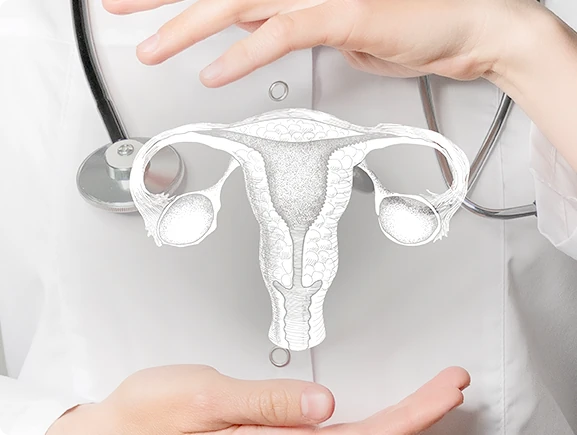
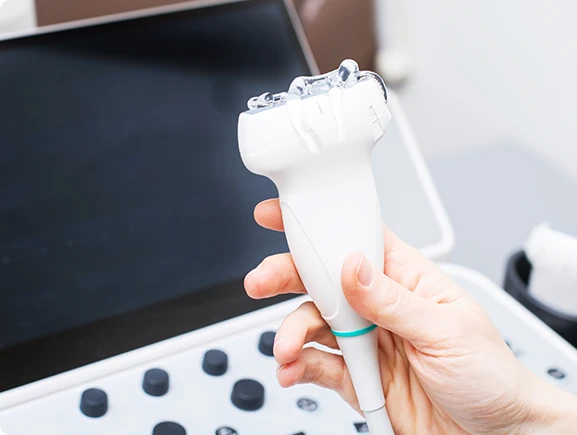
    Checking the uterus, ovaries, vagina and any pain

※ We choose only the methods you need.

How we develop vaginal orgasm

  1. 1Working through psychological barriers
  2. 2Non-surgical careViveve, Revive, UltraVera, MonaLisa Touch, O-Shot and more
  3. 3Surgical careVaginoplasty, clitoral surgery, Yang Gwi-bi Surgery and more
  4. 4Improving vaginal pressure
  5. 5The Lovely Touch program
  6. 6Exercise and nutrition
  7. 7Menopause careHormone prescriptions and more

※ We choose only the methods you need.

Frequently asked questions

What does treatment for anorgasmia involve?
Through an interview and consultation, we review your sex life, identify what is preventing vaginal orgasm and work to address it.
Which tests will I have?
An interview, a vulvar examination, a vaginal examination, a hormone test and an ultrasound scan. We choose only the ones you need.
What does the interview cover?
Your circumstances and state of mind, conditions that affect sensation (internal medicine, gynecology, urology, medication), any body-image concerns, and your partner’s situation.
What does the vaginal examination look at?
Laxity, the state of the mucosa, discharge, vaginitis and vaginal pressure.
Why do I need a hormone test and an ultrasound scan?
The hormone test shows whether you have reached menopause and what your hormone levels are. The ultrasound scan checks the uterus, ovaries and vagina, and helps identify the source of any pain.
What treatment approaches are there?
Seven: working through psychological barriers, non-surgical care, surgical care, improving vaginal pressure, the Lovely Touch program, exercise and nutrition, and menopause care. We choose only the ones you need.
What non-surgical options are there?
Viveve, Revive, UltraVera, MonaLisa Touch and the O-Shot, among others.
What surgical options are there?
Vaginoplasty, clitoral surgery and Yang Gwi-bi Surgery, among others.

Find the right approach for you Start with a consultation

One-to-one consultations by phone or KakaoTalk.

Mon–Fri 10:00~19:00 · Sat 10:00~16:00 (Lunch 13:00~14:00)

Before your surgery or procedure

Results and recovery times vary from person to person. Side effects such as swelling, bruising, pain, infection and pigmentation may occur at the treated area. We decide on the method only after a thorough consultation and examination. Please discuss the details with your doctor at your appointment.

Medically reviewed byObstetrician-gynecologist Dr. Kim Kwan-soo, Director