
Skip to content
Vaginal dryness pain care at UROGYN Woman Clinic

Vaginal dryness pain

Vaginal Dryness Pain

Pain caused by dry vaginal skin

Dryness pain is pain during sex caused by dry vaginal skin.

The discomfort of dryness can lead to sex stopping altogether, so it must be treated. As the body ages, vaginal health weakens too: female hormones begin to decline from age 42, menopause begins from age 51, and after 60 the vaginal wall weakens sharply. Once vaginal health has declined, it is hard for it to recover on its own. Getting care early is the way to protect vaginal health.

Why treating dryness pain matters to us at UROGYN

The discomfort of dryness can lead to sex stopping altogether, so it must be treated.

CHECKLIST

Suspect dryness pain if

  • you feel a stinging soreness during sex
  • you bleed after sex
  • severe pain makes sex difficult

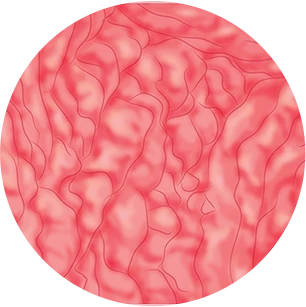
How the vaginal wall changes with age

As the body ages, vaginal health weakens too.

  1. Vaginal folds in the 40s - a close-up drawing of a red vaginal wall with dense folds

    Vaginal folds in the 40s

    Female hormones begin to decline from age 42.

    The vaginal wall thins rapidly, causing painful sex and reduced sensation.
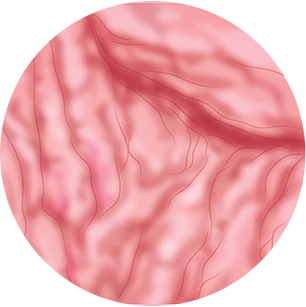
  2. Vaginal folds in the 50s - a close-up drawing of a vaginal wall with shallower folds and paler colour

    Vaginal folds in the 50s

    Menopause begins from age 51.

    The vaginal wall dries rapidly, causing pain not only during sex but in everyday life too.

  3. Vaginal folds in the 60s - a close-up drawing of a pale vaginal wall with the folds almost flattened

    Vaginal folds in the 60s

    After 60 the vaginal wall weakens sharply.

    The vaginal wall becomes very dry and thin, causing vaginal pain and an end to sex life.

Vaginal dryness pain

Dryness pain that gets in the way of vaginal orgasm
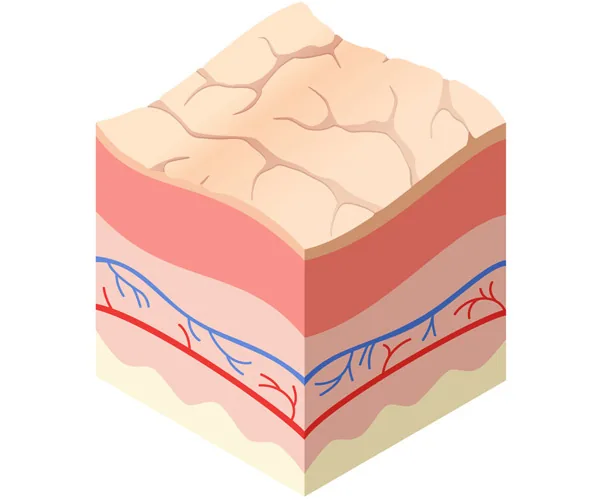
A cross-section diagram of skin that has lost moisture, with a cracked surface

Once vaginal health has declined, it is hard for it to recover on its own. Getting care early is the way to protect vaginal health.

process

Treating dryness pain

Dryness and the pain it brings can change. Rather than thinking your sex life is over, start treatment.

  1. Finding the cause and condition

    We find the cause and condition through consultation

  2. Treatment

    Treatment with the method each person needs

  3. Aftercare

    Aftercare to lower the chance of it coming back

Frequently asked questions

What is dryness pain?
Pain during sex caused by dry vaginal skin.
Does dryness pain need to be treated?
Yes. The discomfort of dryness can lead to sex stopping altogether, so it must be treated.
When should I suspect dryness pain?
If you feel a stinging soreness during sex, bleed after sex, or find sex difficult because of severe pain.
At what age do female hormones start to decline?
Female hormones begin to decline from age 42. The vaginal wall thins rapidly, causing painful sex and reduced sensation.
How does the vaginal wall change in the 50s?
Menopause begins from age 51. The vaginal wall dries rapidly, causing pain not only during sex but in everyday life too.
How does the vaginal wall change in the 60s?
After 60 the vaginal wall weakens sharply. It becomes very dry and thin, causing vaginal pain and an end to sex life.
Does vaginal health get better by itself?
Once vaginal health has declined, it is hard for it to recover on its own. Getting care early is the way to protect vaginal health.
What are the steps?
STEP 1 finding the cause and condition through consultation. STEP 2 treatment with the method each person needs. STEP 3 aftercare to lower the chance of it coming back.

Find what's right for you Start with a consultation

One-on-one consultations by phone or KakaoTalk.

Mon–Fri 10:00~19:00 · Sat 10:00~16:00 (Lunch 13:00~14:00)

Before your surgery or procedure

Results and recovery time differ from person to person. Swelling, bruising, pain, infection and pigmentation may occur at the treated area. We decide on a method only after a full consultation and examination. Please confirm the details with your doctor at your visit.

Medically reviewed byObstetrician-gynaecologist Dr. Kim Kwan-soo, Director